







88CLB – Link Đăng Ký Chính Thức 88CLB.COM 2026 Nhận 88K
88CLB – Thương hiệu nhà cái trực tuyến đẳng cấp hàng đầu Việt Nam trong năm 2026. Sở hữu hơn 1000 trò chơi ở đa dạng danh mục như: Thể thao, live casino, slot game, bắn cá, xổ số, đá gà,… Bên cạnh đó là hệ thống giao dịch an toàn, dịch vụ uy tín và đặc biệt là công nghệ bảo tài khoản hiện đại nhất. 88CLB.Com hiện đã được cấp phép hoạt động kinh doanh hợp pháp với nhiều ưu đãi hấp dẫn dành cho thành viên chính thức.
- Nhà cái: 88CLB hoặc 88 CLB
- Thể loại: Nhà cái cá cược trực tuyến
- Năm thành lập: 2016
- Phát hành bởi: ABCVIP
- Trụ sở chính: Costa Rica
- Địa chỉ tại Việt Nam: 215/21/3B Đoàn Thị Điểm, Phường 1, Quận Phú Nhuận, TP. Hồ Chí Minh, Việt Nam
- Danh mục game cá cược: Casino online, thể thao, xổ số, game bài, bắn cá, nổ hũ, đá gà,…
- Email: support@britishjobs.uk.com
- Phone: +84945783427
- Lượt truy cập hàng tháng: 673,000 lượt
- Tổng lượt tải app 88clb: 5,408,388 lượt
- Hỗ trợ phương thức thanh toán: Thẻ ngân hàng, Ví momo, Visa Master, USDT, Thẻ cào điện thoại
- Chăm sóc khách hàng: Hỗ trợ 24/7.
Tổng quan về nhà cái 88CLB
88CLB được biết đến là một trong những sân chơi giải trí trực tuyến hàng đầu tại Việt Nam. Ở thời điểm này, số lượng người chơi tại nhà cái được ghi nhận là tăng dần theo từng năm. Những điểm làm nên sự thành công này đến từ độ uy tín của nền tảng, yếu tố mà nhà cái vốn đã vượt xa nhiều thương hiệu khác.
Nhằm giúp bạn có cái nhìn rõ hơn về 88CLB, dưới đây là những thông tin và những điều cần biết về thương hiệu.
Quá trình hình thành 88CLB
Thương hiệu 88 CLB chính thức hoạt động từ năm 2016 và đã được chứng nhận uy tín bởi tổ chức PAGCOR. Ngoài ra, mọi hoạt động trên nền tảng đều minh bạch, tuân theo các quy định của chính phủ Costa Rica.
Với kế hoạch phát triển chuyên nghiệp cùng sự tin tưởng trong cách vận hành, 88CLB đã thu hút hàng triệu lượt người chơi đăng ký, đồng thời ghi dấu ấn mạnh mẽ tại thị trường Việt Nam nhờ chất lượng dịch vụ vượt trội.
Mục tiêu phát triển
Trải qua nhiều năm hoạt động, 88CLB đã đạt được những thành tựu nổi bật trong thị trường cá cược. Tuy vậy, thương hiệu vẫn không ngừng phát triển và hướng tới mở rộng tầm ảnh hưởng toàn cầu với các mục tiêu cụ thể trong 5 năm tới như:
- Xây dựng nhà cái hợp pháp với độ uy tín cao, minh bạch trong mọi hoạt động, đồng thời đẩy mạnh ảnh hưởng ra khu vực Châu Âu và Châu Mỹ.
- Liên tục bổ sung các sản phẩm game mới mẻ, hấp dẫn, mang lại cho hội viên những trải nghiệm độc đáo.
- Nâng cấp công nghệ bảo mật tiên tiến hơn để đảm bảo thông tin người dùng luôn được an toàn tuyệt đối.
- Tạo lập cộng đồng người chơi văn minh, thường xuyên tổ chức giao lưu và chia sẻ kinh nghiệm giữa các thành viên.

Link truy cập 88CLB nhà cái chính thức 2026
88club đã khẳng định vị trí vững chắc của mình trên thị trường nhờ vào uy tín và chất lượng dịch vụ. Trung bình mỗi ngày, nền tảng này thu hút hơn 200.000 lượt truy cập từ người dùng mới. Tuy nhiên, do sự nổi tiếng mà nhiều đối thủ đã lợi dụng để tạo ra các đường link giả mạo nhằm lừa đảo người chơi.
Bên cạnh đó, một số nhà mạng tại Việt Nam thường xuyên chặn đường dẫn truy cập, gây không ít rắc rối cho người sử dụng. Nhằm hỗ trợ mọi người có trải nghiệm mượt mà và an toàn hơn, dưới đây là đường link chính thức mới nhất:
👉 Truy cập ngay link vào 88clb mới nhất tại Việt Nam: https://britishjobs.uk.com/ (trang web chính thức, các website khác đều là trang giả mạo).
Tính pháp lý của 88CLB tại Việt Nam
88CLB hiện đang hoạt động hợp pháp và được công nhận bởi nhiều tổ chức quốc tế. Để được công nhận, 88CLB đã vượt qua quy trình kiểm duyệt nghiêm ngặt để chính phủ Costa Rica cấp phép thành lập và kinh doanh.
Đồng thời, chỉ trong vài tháng sau khi ra mắt, thương hiệu đã được tổ chức PAGCOR công nhận về mức độ uy tín và an toàn. Các giấy phép từ cả hai tổ chức này là minh chứng rõ ràng cho độ tin cậy của nhà cái 88CLB trong lĩnh vực giải trí trực tuyến.
Ưu điểm tạo nên danh tiếng của 88CLB
Trước khi ra mắt, nhà cái đã dành nhiều thời gian nghiên cứu thị trường và nhu cầu của người chơi. Không ngừng cải tiến, nền tảng này đã phát triển thêm nhiều tính năng để tối ưu hóa trải nghiệm cho khách hàng. Dưới đây là những ưu điểm nổi bật giúp 88CLB trở thành cái tên ấn tượng trong lòng người dùng.
Thiết kế giao diện hiện đại, đẹp mắt
Trang chủ 88CLB được thiết kế tinh tế với bố cục rõ ràng và dễ dàng thao tác. Toàn bộ các danh mục trò chơi quan trọng đều được hiển thị trực quan trên thanh menu chính.
Sự khéo léo còn nằm ở cách lựa chọn tông màu xanh dương phối trắng dịu nhẹ, mang lại cảm giác thoải mái cho người sử dụng. Những banner quảng cáo sống động, thay đổi thường xuyên còn giúp tạo nên sự mới mẻ mỗi lần truy cập trang web.
Kho game đa dạng nhiều chủ đề
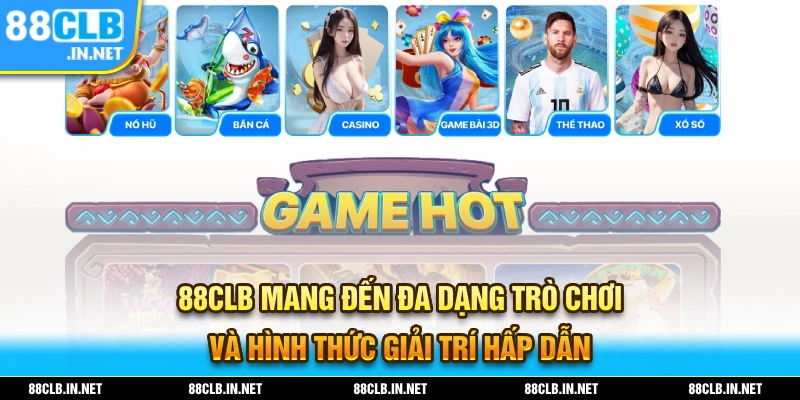
88CLB tự hào sở hữu kho game phong phú với hơn 10.000 sản phẩm giải trí chất lượng cao. Đến với 88CLB, bạn sẽ có cơ hội trải nghiệm hàng loạt siêu phẩm ở nhiều thể loại như: nổ hũ, bắn cá, game bài, cá cược thể thao, casino,… đạt chuẩn quốc tế.
Hơn nữa, các tựa game tại đây được cung cấp từ gần 200 đối tác phát hành danh tiếng toàn cầu, đảm bảo mang đến những giờ phút thư giãn, kiếm thêm thu nhập tuyệt vời.
Giao dịch an toàn, tốc độ nhanh chóng
Giao dịch tại link 88CLB được đầu tư chuyên nghiệp với công nghệ khép kín và hoàn toàn tự động. Người chơi có thể lựa chọn nhiều phương thức thanh toán đa dạng và chỉ cần chờ từ 1 đến 3 phút để hoàn tất mọi giao dịch.
Điều này đã giúp nhà cái ghi điểm lớn trong mắt hội viên về tính tiện lợi, an toàn và nhiều đánh giá cao từ phía cộng đồng.
Dịch vụ chăm sóc khách hàng chuyên nghiệp
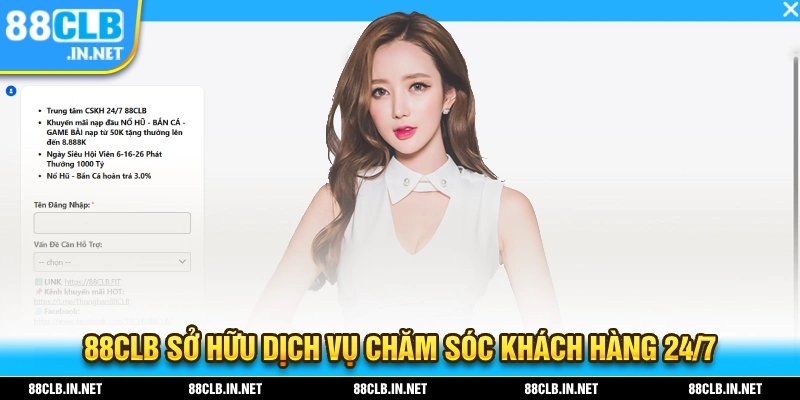
88CLB cung cấp dịch vụ chăm sóc khách hàng hoạt động 24/7 với đội ngũ nhân viên được đào tạo bài bản. Tất cả các nhân viên đều sở hữu kỹ năng chuyên môn cao cùng thái độ nhiệt tình, tận tâm. Bất kỳ vấn đề hoặc thắc mắc nào từ phía người chơi cũng sẽ được xử lý nhanh chóng và hiệu quả nhất.
Bảo mật thông tin hàng đầu
Nhằm đảm bảo sự an tâm tuyệt đối cho hội viên, 88CLB ứng dụng các công nghệ bảo mật tiên tiến như mã hóa SSL 128-bit, hệ thống xác thực OTP trong giao dịch, nhiều lớp tường lửa và xác minh đăng nhập nghiêm ngặt. Với những biện pháp này, thông tin cá nhân của người chơi luôn được bảo vệ tốt nhất khỏi mọi nguy cơ rò rỉ hoặc xâm nhập trái phép.

Chương trình khuyến mãi hấp dẫn tại 88CLB
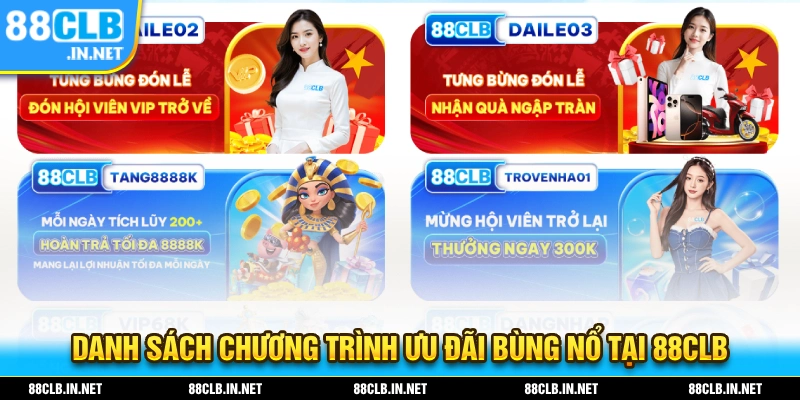
88CLB.com một trong những nhà cái uy tín hàng đầu về mảng ưu đãi, không ngừng triển khai các chương trình khuyến mãi độc quyền dành cho người chơi. Thành viên có thể thoải mái lựa chọn các ưu đãi phù hợp để nhận những phần quà giá trị nhất. Dưới đây là tổng hợp các chương trình ưu đãi mới và nổi bật trong năm 2025:
- Chào mừng lễ hội với hàng loạt quà tặng miễn phí dành riêng cho hội viên VIP.
- Nạp tiền mỗi ngày từ 200K trở lên, cơ hội nhận thưởng tối đa lên đến 8.888K.
- Đăng ký tài khoản lần đầu, nhận ngay 68K miễn phí vào tài khoản.
- Hồng bao may mắn phát mỗi ngày khi đăng nhập, giá trị thưởng hấp dẫn có thể lên đến hàng tỷ đồng.
- Ưu đãi nạp lần đầu từ 50K, nhận thưởng khủng tối đa 8.888K.
- Bảo hiểm cược thua ở danh mục bắn cá – hoàn trả lên đến 5%.
Kho Game Giải Trí Chất Lượng Hàng Đầu Tại 88CLB
88CLB hợp tác với các nhà cung cấp game nổi tiếng toàn cầu, mang đến cho người chơi bộ sưu tập hơn 10.000 sản phẩm giải trí đỉnh cao. Các danh mục game phong phú luôn dẫn đầu thị trường, tạo nên trải nghiệm vượt trội cho người tham gia.
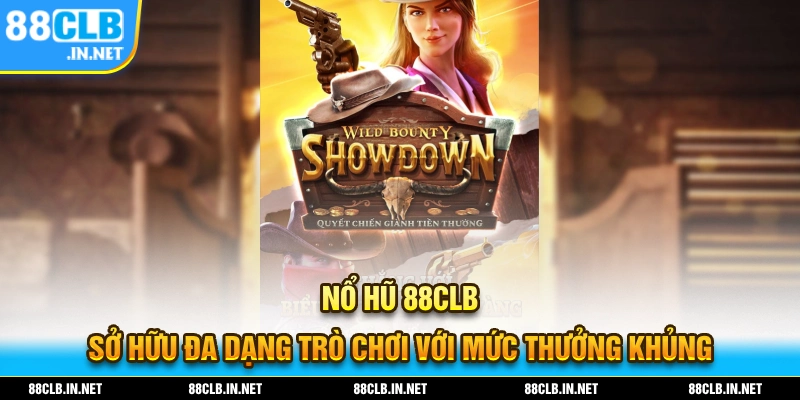
Nổ Hũ – Giải thưởng Jackpot với giá trị siêu khủng
Nổ hũ là lựa chọn hàng đầu và là “thương hiệu” nổi bật của 88CLB, nơi bạn có thể trở thành triệu phú khi trúng Jackpot.
- Được cung cấp bởi 34 nhà phát hành game uy tín như TP, JDB, KA, PP…
- Hơn 1.000+ lựa chọn game với nhiều chủ đề phong phú như Thành Phố Vàng Maya, Đường Mạt Chược, Nữ Chiến Binh La Mã…
- Tỷ lệ hoàn trả RTP trung bình cao hơn 96%, lối chơi đơn giản nhưng không kém phần hấp dẫn.
Bắn Cá – Săn ngay kho báu đại dương siêu khủng
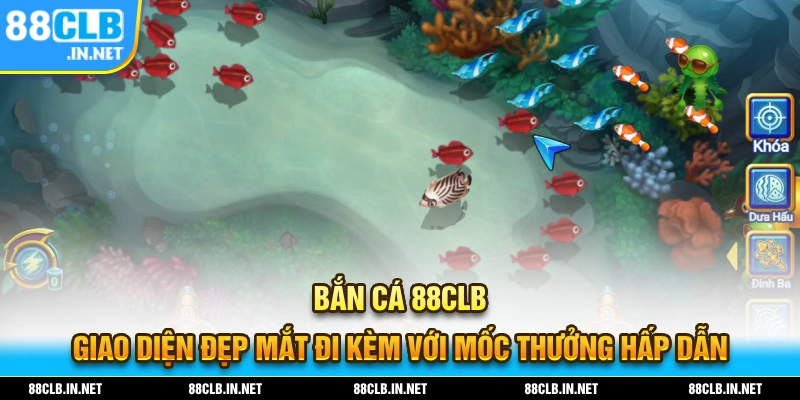
Tham gia bắn cá tại 88CLB com, bạn sẽ được khám phá thế giới đại dương sống động với giao diện được đầu tư tỉ mỉ từ đồ họa đến hệ thống sinh vật biển và vũ khí tối tân.
- Các tựa game đến từ hơn 14 nhà cung cấp danh tiếng như TP, JDB, FC…
- Nhiều chủ đề đặc sắc: Nhị Gia Bắn Cá, Câu Cá Phát Tài hay Ông Trùm Đại Dương…
- Hệ số thưởng cao giúp hành trình săn cá thêm hấp dẫn và đầy bất ngờ.
Casino – Sòng bạc đẳng cấp nhất 2026
Hơn hết, các trò chơi casino tại đây luôn thu hút lượng lớn người chơi nhờ sự chuyên nghiệp và công nghệ tiên tiến.
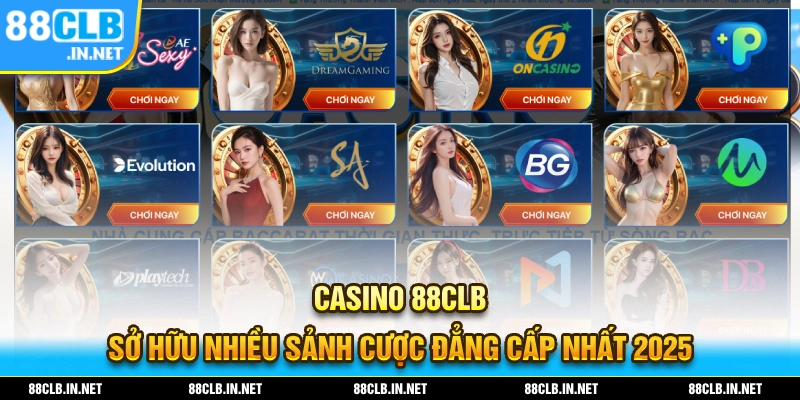
- Hợp tác với 19 nhà phát hành game hàng đầu trên thị trường, gồm những cái tên quen thuộc trong ngành.
- Kho game đa dạng với các tựa phổ biến như Baccarat, Blackjack, Sicbo, Xóc Đĩa, Roulette…
- Trải nghiệm chân thực nhờ đội ngũ Dealer xinh đẹp cùng công nghệ livestream sắc nét đảm bảo tính minh bạch.
Thể Thao – Quy tụ nhiều bộ môn và kèo cược chất lượng
Danh mục thể thao tại 88CLB mang đến những trải nghiệm đỉnh cao với các trận đấu hấp dẫn từ khắp nơi trên thế giới. Bạn sẽ không cần rời khỏi ghế mà vẫn có thể sống trọn từng khoảnh khắc cuồng nhiệt của môn thể thao bạn yêu thích.
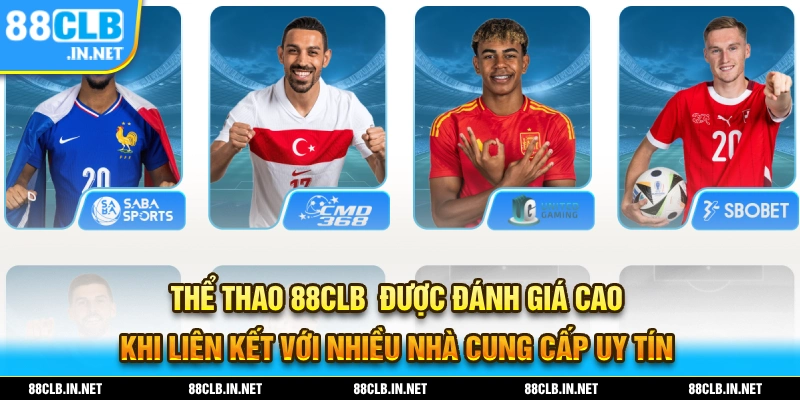
- Hợp tác với 6 nhà cung cấp danh tiếng như SABA, CMD368, SBOBET…
- Cung cấp hơn 1.000+ trận đấu mỗi ngày với các môn thể thao đa dạng: bóng đá, bóng chuyền, đua xe, bơi lội…
- Nhiều loại hình kèo cược hấp dẫn như tài xỉu, chấp, kèo 1×2…
Đại Sứ Độc Quyền Của Thương Hiệu 88CLB
Năm 2020 đánh dấu sự kiện quan trọng khi cầu thủ Luis Suárez trở thành đại sứ thương hiệu chính thức của nhà cái 888CLB. Là một tiền đạo nổi danh người Uruguay với nhiều thành tích ấn tượng tại các giải đấu lớn, sự hợp tác giữa Suarez và 88CLB đã tạo nên một cột mốc mới. Điều này không chỉ góp phần tăng cường uy tín và hình ảnh của thương hiệu mà còn mở rộng tầm ảnh hưởng, đặc biệt là thu hút sự quan tâm của cộng đồng người hâm mộ bóng đá – một nhóm khách hàng tiềm năng quan trọng.
Số Lượt Tìm Kiếm Hàng Tháng Về 88CLB Tại Việt Nam
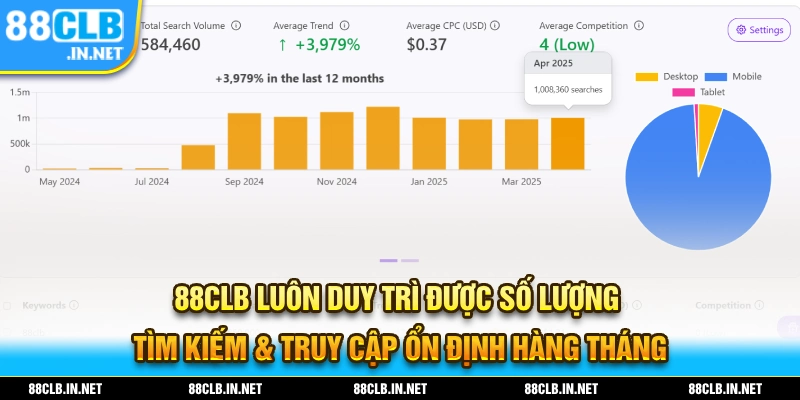
Dựa trên số liệu từ các trang thống kê uy tín, tổng lượt tìm kiếm từ khóa “88CLB” tại Việt Nam trong tháng 5 năm 2025 đã đạt con số 550.000. Bên cạnh đó, các từ khóa liên quan cũng ghi nhận hơn 1.000.000 lượt tìm kiếm. Những con số này cho thấy độ phổ biến và sức hút của thương hiệu đang gia tăng mạnh mẽ tại thị trường Việt Nam.
Thống Kê Lượt Tìm Kiếm Về 88CLB Trên Quốc Tế
Dữ liệu từ Google Trend cho biết, 88CLB hiện nhận được sự chú ý lớn từ cộng đồng quốc tế. Đặc biệt, tại các khu vực Châu Âu và Châu Mỹ, từ khóa liên quan đến nhà cái đạt mức lượt truy cập lên đến 265.000 chỉ trong một tháng gần đây. Điều này thể hiện tầm ảnh hưởng vượt biên giới của thương hiệu.
Hướng Dẫn Chi Tiết Cách Tham Gia Và Trải Nghiệm Tại 88CLB
Nếu bạn là người dùng mới và đang muốn khám phá những sản phẩm giải trí hấp dẫn tại 88clb bet, hướng dẫn chi tiết sau sẽ giúp bạn nhanh chóng làm quen với các thao tác cơ bản, mang lại trải nghiệm thuận lợi hơn.
Cách Tạo Tài Khoản Mới
Quy trình đăng ký tài khoản tại 88CLB vô cùng đơn giản và được tối ưu hóa chỉ trong vài bước cơ bản:
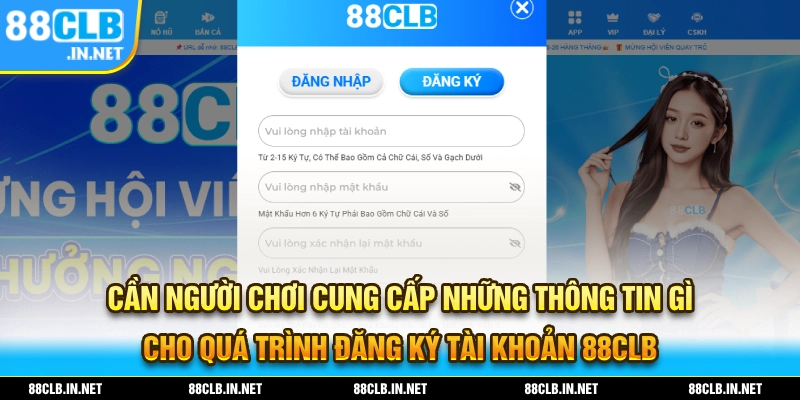
- Truy cập vào đường link chính thức và an toàn của 88CLB, sau đó nhấn vào mục “Đăng ký” ở góc trên bên phải màn hình.
- Điền đầy đủ các thông tin được yêu cầu vào biểu mẫu, đảm bảo sự chính xác tối đa.
- Kiểm tra thông tin thêm một lần nữa rồi xác nhận đăng ký để hoàn tất thủ tục.
Hướng Dẫn Gửi Tiền Vào Ví Game
Thành viên tại 88CLB. com có thể nạp tiền thông qua nhiều phương thức linh hoạt như ngân hàng, mã QR, ví điện tử (Momo, ZaloPay, Viettel Money), và thẻ cào điện thoại. Các bước cơ bản để nạp tiền bao gồm:
- Đăng nhập tài khoản trên website chính thức và chọn mục “Nạp tiền”.
- Chọn phương thức thanh toán phù hợp, nhập số tiền muốn nạp vào ví, sau đó xác nhận giao dịch.
- Hệ thống sẽ tạo lệnh giao dịch và hướng dẫn bạn chuyển khoản theo chỉ dẫn.
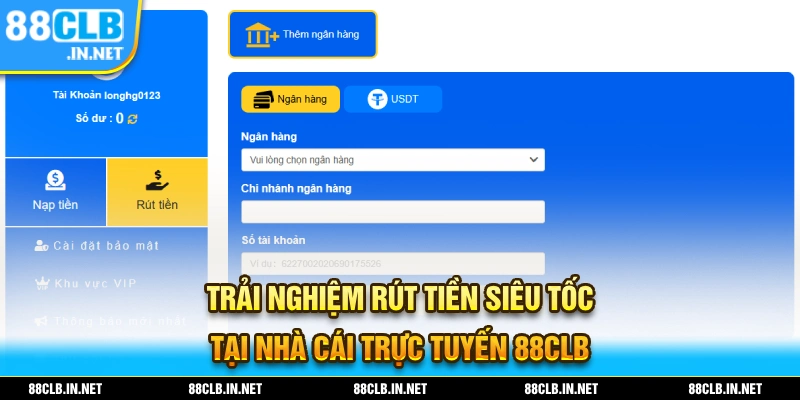
Cách Rút Thưởng Nhanh Chóng
Ngoài việc thực hiện nạp tiền, người chơi cũng cần biết cách rút phần thưởng nhanh chóng. Các bước rút tiền đã được thiết kế đơn giản để mang đến sự thuận tiện tối đa:
- Đăng nhập vào tài khoản, sau đó chọn tính năng “Rút tiền” trên trang chủ.
- Nếu đây là lần đầu tiên rút tiền, hãy thêm thông tin ngân hàng và cài đặt mật khẩu rút tiền mới. Sau đó lưu lại thông tin thẻ.
- Nhập số tiền muốn rút, điền mật khẩu rút đã thiết lập để hoàn tất thủ tục gửi yêu cầu xử lý.
Đánh Giá Thực Tế Của Người Chơi Tại Nhà Cái 88CLB
Sở hữu kho tàng trò chơi hấp dẫn cùng dịch vụ chất lượng, 88CLB đã trở thành điểm đến của hàng triệu người chơi. Để mang đến cái nhìn chân thực hơn về nền tảng này, dưới đây là những đánh giá từ trải nghiệm thực tế của các thành viên trên các diễn đàn:
- Susu: Lần đầu ghé thăm, tôi đã bị ấn tượng bởi giao diện thân thiện và các chương trình khuyến mãi hấp dẫn. Dù không cần nạp quá nhiều tiền, tôi vẫn có một nguồn vốn ổn định để tham gia cá cược.
- Nguyenanh89: Nhà cái sở hữu kho game đa dạng và liên tục được làm mới. Suốt thời gian chơi tại đây, tôi luôn cảm thấy hào hứng nhờ các trò chơi mới được cập nhật thường xuyên.
- Tominh20: Dịch vụ chăm sóc khách hàng của 88CLB thực sự xuất sắc. Đội ngũ nhân viên rất nhiệt tình và hỗ trợ giải quyết vấn đề về giao dịch của tôi một cách nhanh chóng.
Hỏi Đáp: Giải Quyết Những Thắc Mắc Phổ Biến Tại 88CLB
Trong quá trình trải nghiệm dịch vụ tại 88CLB, một số vấn đề thường làm người chơi thắc mắc. Để hỗ trợ tốt hơn cho hội viên, bộ phận chăm sóc khách hàng đã tổng hợp các câu hỏi phổ biến cùng giải đáp chi tiết dưới đây.
- Vì sao tôi không thể truy cập vào trang chủ 88CLB?
Nguyên nhân chính thường do nhà mạng chặn truy cập. Để khắc phục, bạn chỉ cần tải ứng dụng VPN 1.1.1.1 hoặc thay đổi DNS trên thiết bị là có thể vào lại bình thường.
- Liệu 88CLB. com có đáng tin cậy hay không?
88CLB hiện đang được quản lý và cấp phép bởi các cơ quan uy tín như PAGCOR và Costa Rica. Toàn bộ thông tin pháp lý được công khai trên trang chủ, vì vậy hoàn toàn không có cơ sở cho việc nói nhà cái này lừa đảo.
- Tôi có thể thử trải nghiệm dịch vụ trên nền tảng trước khi đăng ký tài khoản không?
Bạn hoàn toàn có thể trải nghiệm thử các sản phẩm tại đây trước khi chính thức tạo tài khoản. Với tính năng “Đăng ký trải nghiệm” hiển thị rõ trên website, người chơi sẽ được cung cấp tài khoản ảo kèm số dư để thoải mái khám phá.
Kết Luận
Nhà cái 88CLB hứa hẹn sẽ là điểm giải trí lý tưởng cho người chơi trong năm 2025. Nền tảng không chỉ nổi bật với hệ thống sản phẩm độc đáo mà còn tích hợp nhiều tính năng hiện đại, dẫn đầu về chất lượng dịch vụ. Đừng bỏ lỡ cơ hội trải nghiệm thế giới cá cược đẳng cấp hàng đầu châu Á tại đây ngay hôm nay!
Tin tức sự kiện 88CLB mới cập nhật

Kết Quả Xổ Số Miền Nam – Cập Nhật Thông Tin Mới Nhất 2025
Kết quả xổ số miền Nam luôn là chủ đề thu hút sự chú ý [...]

Lô Gan Là Gì? – Hình Thức Giải Trí Thú Vị Nhất Năm 2025
Lô gan là gì? Đây là câu hỏi thu hút rất nhiều sự quan tâm [...]

Xổ Số Keno – Trải Nghiệm Sự May Mắn Với Trò Chơi Đầy Hấp Dẫn
Trong thời gian gần đây, xổ số Keno đã trở thành một trong những trò [...]

Vảy Gà Đá Hiếm – Tổng Hợp Những Loại Vảy Gà Đá Hiếm Gặp Nhất
Vảy gà đá hiếm đang là chủ đề thu hút sự chú ý đặc biệt [...]

Đá Gà Mộc Bài – Trực Tiếp Những Trận Đấu Từ Trường Gà Top 1 ĐNÁ
Đá gà Mộc Bài là một nét đẹp giải trí bắt nguồn từ văn hóa [...]

Đá Gà C1 – Hình Thức Đá Gà Trực Tiếp Được Yêu Thích Hàng Đầu 2026
Đá gà C1 từ lâu đã trở thành biểu tượng không thể thiếu đối với [...]

Chiến Thuật Xả Đạn – Tuyệt Chiêu Không Thể Bỏ Qua Khi Chơi Bắn Cá
Chiến thuật xả đạn là một trong những phương pháp hữu ích giúp người chơi [...]

Bắn Cá VIP – Tuyệt Phẩm Đổi Thưởng Hấp Dẫn Được Ngư Thủ Yêu Thích
Bắn Cá VIP đang nhanh chóng trở thành một trong những tựa game đổi thưởng [...]